
A Botanist’s Guide to Parties and Poisons: An Overview
Delve into the fascinating, and sometimes deadly, intersection of botany and social events! Explore historical poisoning practices, plant toxins, and safe display options.
Historical Context of Botanical Poisons
Throughout history, botanical poisons have played a sinister, yet compelling, role in human affairs. Ancient civilizations, like Rome and Greece, readily employed toxins derived from plants to eliminate rivals – a pragmatic, if ruthless, approach to power struggles. The Medieval period witnessed a surge in poisoning, frequently utilized within the complex web of political intrigue and courtly machinations.
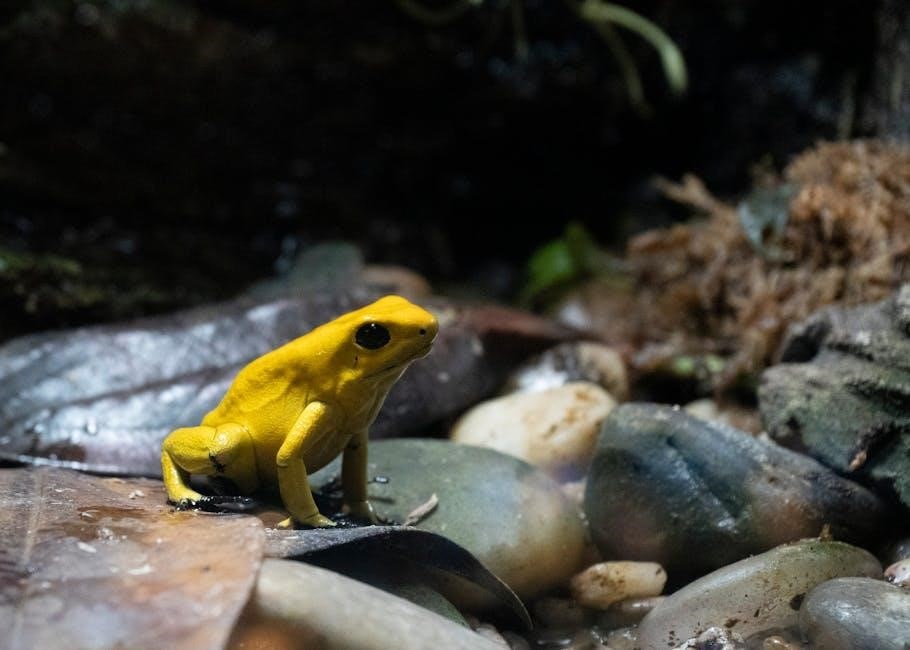
During the Renaissance, “poison gardens” emerged as macabre displays of botanical knowledge and aristocratic fascination with the darker side of nature. These gardens, like the one in Padua, Italy, showcased both medicinal and deadly plants. The Staten Island Herb Society recently explored these “Ancient Poisons,” highlighting the enduring legacy of botanical toxins. Even in more recent times, the allure of poisonous plants persists, woven into folklore and historical accounts.
The Allure of Poison in Social Gatherings

The fascination with poison at social gatherings stems from a complex interplay of power, secrecy, and the dramatic. Historically, poisoning offered a discreet method of eliminating enemies, masked within the rituals of hospitality. Renaissance poison gardens weren’t merely collections; they were statements of control and knowledge, subtly displayed for discerning guests.
The very idea of a hidden danger within a beautiful setting – a seemingly harmless plant concealing a lethal secret – held a dark appeal. While overt poisoning is rare today, the historical context continues to intrigue. Discussions of botanical toxins, like those presented by the Staten Island Herb Society, tap into this enduring fascination, reminding us of the potent, and perilous, power of the plant kingdom.

Common Poisonous Plants for the Botanist
Explore key botanical toxins: Hellebores, Hemlock, Belladonna, and Oleander; Understand their unique toxicities, historical uses, and the symptoms they induce in affected individuals.
Hellebores (Christmas Rose): Toxicity and Symptoms
Hellebores, often admired for their winter blooms, harbor significant toxicity. Historically, extracts were utilized for various medicinal – and nefarious – purposes. All parts of the plant contain potent alkaloids, causing irritation upon contact and more severe effects if ingested. Symptoms of Hellebore poisoning include intense burning of the mouth and throat, excessive salivation, nausea, vomiting, and abdominal pain.
In severe cases, cardiac arrhythmias and even coma can occur. It’s crucial to note that the severity depends on the amount consumed and the individual’s sensitivity. While rarely fatal, the discomfort is substantial. A botanist hosting a gathering must be acutely aware of Hellebores’ presence and potential danger, ensuring they are inaccessible to guests, particularly children and pets.
Hemlock (Conium maculatum): A Classic Poison
Hemlock stands as a notorious botanical poison, forever linked to the death of Socrates. Conium maculatum contains highly toxic alkaloids, primarily coniine, which disrupt the nervous system. Identifying features include its purple-spotted stem and carrot-like leaves, though caution is paramount – misidentification is a serious risk.
Symptoms of Hemlock poisoning manifest rapidly, beginning with muscular weakness, paralysis, and ultimately, respiratory failure. Even small amounts can be lethal. Historically, it was employed in various poisoning schemes, highlighting its potency. A botanist must exercise extreme vigilance, ensuring Hemlock is never present where it could be accidentally ingested or come into contact with vulnerable individuals. Its infamous history demands respect and caution.
Belladonna (Deadly Nightshade): History and Effects
Belladonna, or Atropa belladonna – “beautiful woman” in Italian – gained its name from its historical use to dilate pupils for cosmetic effect. However, this beauty conceals extreme toxicity. All parts of the plant contain atropine, scopolamine, and hyoscyamine, potent anticholinergic alkaloids.
Symptoms of Belladonna poisoning include blurred vision, dilated pupils, dry mouth, hallucinations, and delirium. Historically, it was utilized in witchcraft and assassination. Even touching the plant can cause skin irritation. A botanist studying Belladonna must understand its complex chemistry and the severe consequences of ingestion. Its long history of misuse underscores the importance of responsible handling and education regarding its dangers.
Oleander: Beautiful but Deadly
Oleander (Nerium oleander) presents a striking paradox: vibrant, showy blooms masking a potent toxicity. This evergreen shrub, popular in landscaping, contains cardiac glycosides – oleandrin and neriine – affecting heart function. All parts of the plant are poisonous, even dried leaves and smoke from burning it.
Ingestion causes nausea, vomiting, irregular heartbeat, and potentially fatal cardiac arrest. Oleander’s toxins are remarkably stable, remaining potent even after prolonged storage. A botanist must recognize its distinctive features – leathery leaves and clustered flowers – and educate others about its dangers. Its widespread cultivation necessitates caution, especially around children and pets, highlighting the need for awareness.

Poisons in Historical Parties & Events
From Roman banquets to Medieval courts, poisons played a sinister role in social gatherings and political maneuvering, often concealed within food and drink.
Ancient Roman and Greek Poisoning Practices
In antiquity, both Greece and Rome utilized poisons with chilling efficiency. These weren’t impulsive acts, but often calculated strategies employed in political rivalries, family disputes, and even personal vendettas. Hemlock, famously used to execute Socrates, was a favored choice due to its readily available nature and paralyzing effects.
However, the arsenal extended beyond hemlock. Various plant-derived toxins, alongside mineral poisons like arsenic, were meticulously documented and employed. Roman authors like Pliny the Elder detailed numerous poisonous substances and their effects, showcasing a surprisingly sophisticated understanding of toxicology for the time.
These poisons were often administered subtly, disguised in wine or food, making detection incredibly difficult. The practice highlights a dark undercurrent within these classical civilizations, where power struggles frequently involved lethal botanical agents.
Medieval Poisoning and Political Intrigue
The Medieval period witnessed a surge in poisoning, deeply intertwined with political machinations and power struggles. Unlike the classical world’s focus on readily available toxins, medieval poisoners often sought more exotic and undetectable substances, frequently relying on knowledge gleaned from Arabic and Byzantine sources.

Belladonna (Deadly Nightshade) and Henbane became prominent choices, valued for their potent effects and ability to mimic natural illnesses. The infamous Borgia family became synonymous with poisoning, though historical accounts are often exaggerated.
Poisoning served as a discreet method of eliminating rivals, securing inheritances, and influencing courtly affairs. The development of sophisticated detection methods lagged behind the art of poisoning, making it a favored tool for those seeking to eliminate enemies without overt violence.
Renaissance Poison Gardens and Displays
The Renaissance saw a revival of classical learning, including an increased fascination with poisonous plants, manifesting in the creation of dedicated “poison gardens.” These weren’t necessarily intended for malicious purposes, but rather as displays of botanical knowledge and a demonstration of a patron’s power and curiosity.
Italy’s Padua Botanical Garden, established in 1545, notably featured a collection of toxic plants, serving both scientific and ornamental roles. These gardens became status symbols, showcasing rare and dangerous specimens.
The display of such plants also served as a cautionary tale, reminding visitors of the hidden dangers within the natural world. Knowledge of poisons became a refined skill, appreciated within courtly circles, though often shrouded in secrecy.
Identifying Poisonous Plants at a Party
Careful observation, plant labeling, and knowing key toxins are crucial for party safety. Prompt action is vital if poisoning is suspected – seek immediate medical help!
Visual Identification Tips for Common Toxins
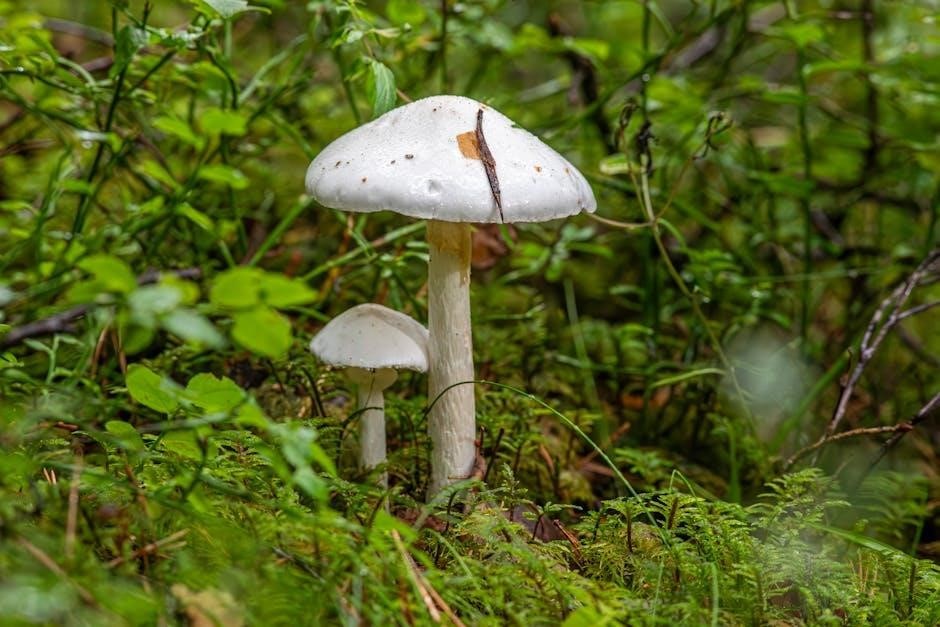
Accurate plant identification is paramount when assessing potential risks at gatherings. Hellebores often display dark, glossy leaves and nodding, cup-shaped flowers – deceptively beautiful. Hemlock, a notorious toxin, features small white flowers clustered in umbrella-like shapes and distinctive purple blotches on its stems.
Belladonna, or Deadly Nightshade, presents glossy, dark green leaves and bell-shaped, purplish flowers followed by shiny black berries. Oleander boasts vibrant flowers, but its leaves are narrow and leathery, containing cardiac glycosides. Remember to observe leaf shape, flower structure, stem characteristics, and any present berries.
Always exercise caution and avoid touching or ingesting any plant you cannot confidently identify. Utilize field guides and reliable online resources for assistance, but prioritize safety above all else.
The Importance of Plant Labeling
Clear and accurate plant labeling is a crucial safety measure at any event featuring botanical displays. Labels should prominently display both the common and scientific names of each plant, allowing for easy cross-referencing with reliable toxicity databases.
Furthermore, incorporate warning symbols – such as a skull and crossbones or a clear “POISON” designation – for any plant with known toxic properties. Consider adding a brief note regarding the specific toxic component and potential symptoms of exposure.
Labels must be durable, weather-resistant, and placed at eye level for easy visibility. This proactive approach minimizes the risk of accidental ingestion or contact, fostering a safer and more informed environment for all attendees.
What to Do If Poisoning is Suspected
Immediate action is critical if plant poisoning is suspected. First, remove the individual from the source of exposure and ensure their airway is clear. Do not induce vomiting unless specifically directed by a medical professional or poison control center.
Attempt to identify the plant involved – a photograph can be invaluable – and gather information about the amount ingested or the extent of skin contact. Contact your local poison control center immediately (in the US, call 1-800-222-1222).
Provide them with detailed information about the plant and the victim’s symptoms. Seek emergency medical attention if symptoms are severe, such as difficulty breathing, seizures, or loss of consciousness.
Creating a “Poison Garden” Display (Safely!)
Design a captivating, yet secure, display using cautionary plants! Prioritize clear labeling, non-lethal species, and educational opportunities for a fascinating exhibit.
Choosing Non-Lethal, but Cautionary, Plants
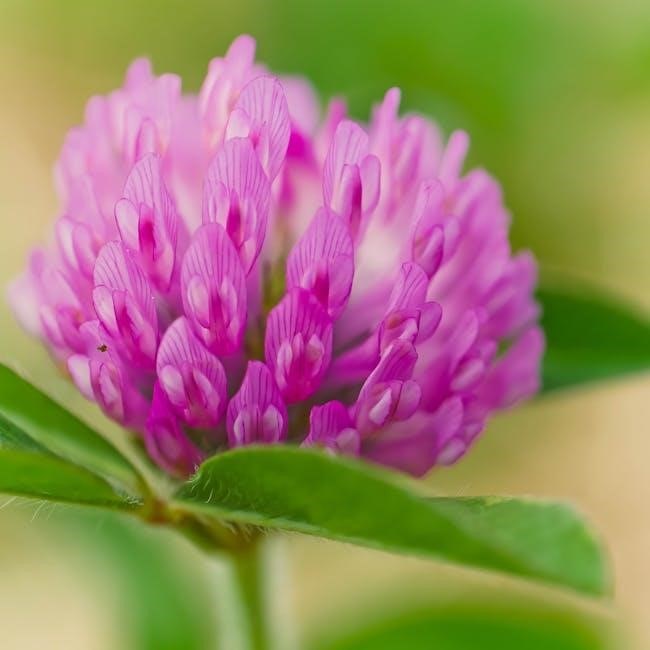
Selecting plants for a “poison garden” requires careful consideration, prioritizing safety without sacrificing the thematic impact. While avoiding truly lethal species like hemlock or deadly nightshade is crucial, numerous plants offer cautionary tales through skin irritation or mild toxicity. Consider plants like Rhus toxicodendron (Poison Sumac), known for its severe allergic reactions, or Ricinus communis (Castor Bean), whose seeds contain ricin – a potent toxin, but requiring ingestion for harm.
Helleborus species, though not typically fatal, can cause significant gastrointestinal distress. Focus on plants with well-documented irritant properties or those historically associated with folklore surrounding poisoning. This approach allows for an educational display highlighting botanical dangers without posing a significant risk to visitors. Remember, the goal is to inform and intrigue, not to endanger!
Displaying Plants with Clear Warning Labels
Effective communication is paramount when exhibiting potentially hazardous plants. Each specimen must be accompanied by a prominently displayed, durable label detailing its common and botanical names, alongside a clear warning regarding its toxicity. Labels should explicitly state the potential effects of contact or ingestion – skin irritation, nausea, or more severe symptoms.
Utilize universally recognized hazard symbols, such as the skull and crossbones, alongside concise, easy-to-understand language. Consider tiered labeling: a general warning for all visitors, and more detailed information for those seeking deeper knowledge. Ensure labels are weatherproof and resistant to tampering. A well-labeled display transforms a potential hazard into a valuable educational opportunity, fostering respect for botanical power.
Educational Opportunities within a Poison Garden
A carefully curated “poison garden” transcends mere spectacle, becoming a powerful learning environment. Guided tours can illuminate the historical uses of these plants – from ancient remedies to infamous assassinations – contextualizing their toxicity within broader cultural narratives. Workshops on plant identification, toxicology, and responsible gardening practices empower visitors with crucial knowledge.
Interactive displays detailing the biochemical mechanisms of plant poisons enhance understanding. Highlighting the medicinal applications derived from these same compounds demonstrates the complex duality of nature. Emphasize the importance of respecting biodiversity and avoiding self-medication. A poison garden, responsibly presented, fosters botanical literacy and a healthy respect for the natural world.
Aternos Server Setup for Botanical Roleplay
Create an immersive Minecraft world! Aternos simplifies server setup, allowing modding for realistic plant interactions and botanical roleplaying experiences with ease.
Setting up a Minecraft Server with Aternos
Embark on your botanical roleplay adventure with a straightforward Aternos server setup! Creating a server takes less than fifteen minutes, even for beginners. Aternos provides a user-friendly platform for free Minecraft server hosting and management. Begin by signing up for an Aternos account and selecting a server location.
Next, choose your desired Minecraft version and allocate server resources based on your expected player count. Aternos offers pre-built gamemodes, but for a botanist-themed experience, a vanilla or modded server is ideal. The platform’s intuitive interface guides you through each step, simplifying the process. Once configured, start your server and connect using the provided IP address – it’s as easy as pressing a button!
Modding for Realistic Plant Interactions
Enhance your botanical Minecraft experience with carefully selected mods! Introduce mods that expand plant variety beyond vanilla options, incorporating species known for their historical or toxic properties. Consider mods that simulate realistic plant growth, requiring proper light, water, and soil conditions for cultivation.
Implement mods allowing for the creation of potions and poisons using gathered plant materials, mirroring historical practices. Explore mods that introduce complex chemical reactions and effects based on plant combinations. This adds depth to the roleplay, allowing players to experiment with botanical concoctions – responsibly, of course! Prioritize mods that are well-maintained and compatible with your server version for a stable experience.
Troubleshooting Common Server Issues
Maintaining a stable Aternos server is crucial for immersive botanical roleplay. Lag spikes can disrupt gameplay; optimize server settings, reduce player count, or upgrade your hosting plan if necessary. Plugin conflicts are common – disable recently added plugins one by one to identify the culprit.
World corruption can occur; regular backups are essential! Utilize Aternos’ built-in backup system or external solutions. If players report crashes, check the server logs for error messages. Insufficient RAM can cause instability; allocate more memory to the server. Finally, ensure your Java version is up-to-date for optimal performance and security.
Resources for Further Botanical and Toxicological Study
Expand your knowledge! Explore botanical gardens with poison plant collections and utilize online databases for comprehensive toxicological information and plant identification.
Botanical Gardens with Poison Plant Collections
Immerse yourself in curated collections! Several botanical gardens worldwide offer dedicated displays of poisonous plants, providing invaluable educational opportunities. Italy’s Padua Botanical Garden, established in 1545, boasts a historical poison garden, showcasing plants with documented toxic properties and their historical uses. These gardens aren’t merely displays; they are living classrooms.
Visiting these locations allows for firsthand observation of plant morphology and understanding of warning coloration or protective mechanisms. Experts often provide guided tours, detailing the chemical compounds responsible for toxicity and the associated symptoms. Such experiences bridge the gap between academic study and real-world application, enhancing a botanist’s understanding of plant defense strategies and potential dangers.
Researching gardens near you or planning a visit to internationally renowned collections is a fantastic way to deepen your knowledge.
Online Databases of Poisonous Plants
Expand your knowledge with digital resources! Numerous online databases offer comprehensive information on poisonous plants, crucial for any botanist studying toxins. These platforms provide detailed profiles, including botanical descriptions, chemical constituents, toxicity levels, and associated symptoms. Accessing this information is vital for accurate identification and risk assessment.
Reliable databases often feature high-quality images aiding in visual identification, alongside geographical distribution maps. Some resources also include historical uses of plants in medicine or, unfortunately, in malicious acts. Utilizing these tools allows for continuous learning and staying updated on newly discovered toxic compounds or emerging plant threats.
Always cross-reference information from multiple sources to ensure accuracy and reliability.