
Understanding the Texas Class B Exempt License
Class B Exempt allows drivers of 26,001‑33,000 lb vehicles, including school buses and certain commercial trucks, to operate without a full commercial license․ It covers specific vehicle types, weight limits, and operating conditions defined by Texas law․ The license lasts 5 years and be renewed ok․
Definition and Scope of Class B Exempt Vehicles
In Texas, a Class B Exempt license is a special designation that permits drivers to operate vehicles that exceed the weight limits of a regular passenger vehicle but remain below the threshold that requires a full commercial driver’s license (CDL)․ Specifically, the exemption covers vehicles with a gross vehicle weight rating (GVWR) between 26,001 and 33,000 pounds, including school buses, certain delivery trucks, and other commercial vehicles that are not designed for long‑haul freight․ The exemption is granted under Texas Transportation Code § 545․01 and is intended to streamline licensing for operators of medium‑size commercial vehicles that do not need the extensive training mandated for heavy‑weight or long‑haul drivers․ To qualify, the applicant must own or operate a vehicle that falls within the GVWR range, and the vehicle must be used for business purposes, such as transporting passengers or goods within a single state․ The Class B Exempt license is valid for five years and can be renewed by submitting a renewal application and paying the applicable fee․ Unlike a full CDL, the Class B Exempt does not require a medical certificate or a separate commercial knowledge test, but drivers must still pass the standard Texas driver knowledge test and demonstrate competency in a skills test that focuses on maneuvering a vehicle of the specified weight class․ The scope of the exemption is limited to the vehicle’s weight and type; drivers cannot use the license to operate vehicles over 33,000 pounds or to perform hazardous material transport, which remain under the purview of the full CDL․ The exemption also does not cover vehicles that are used for long‑haul interstate travel; those operations require a full commercial license regardless of the vehicle’s weight․ By providing a tailored licensing pathway, Texas aims to balance regulatory oversight with practical accessibility for businesses that rely on medium‑size commercial vehicles․ All must hold a Texas license now

Eligibility Criteria for Class B Exempt Applicants
Applicants must be 18+, hold a valid Texas license, own/operate a vehicle 26,001‑33,000 lb, and pass the standard knowledge test․ No medical certificate needed; skills test focuses on vehicle maneuvers․ Renewal every 5 yearsand no medical exam
Age, Experience, and Vehicle Type Requirements
Applicants must be at least 18 years old and hold a valid Texas driver’s license for a minimum of one year․ This ensures that the driver has basic road‑use knowledge and legal standing․ The age rule aligns with federal commercial driving standards, preventing inexperienced youth from operating heavy vehicles․ This requirement aligns with federal regulations and helps ensure drivers have the maturity to handle heavy vehicles responsibly․
A documented history of operating a vehicle within the 26,001‑33,000‑pound gross vehicle weight rating is required․ While no specific hour count is mandated, applicants must demonstrate practical familiarity during the skills test․ Proof may include a logbook, employer verification, or prior operating records․ Such documentation demonstrates that the driver is accustomed to the vehicle’s handling characteristics, ensuring safe operation under varied conditions․ This record confirms the driver’s familiarity with the vehicle’s handling․
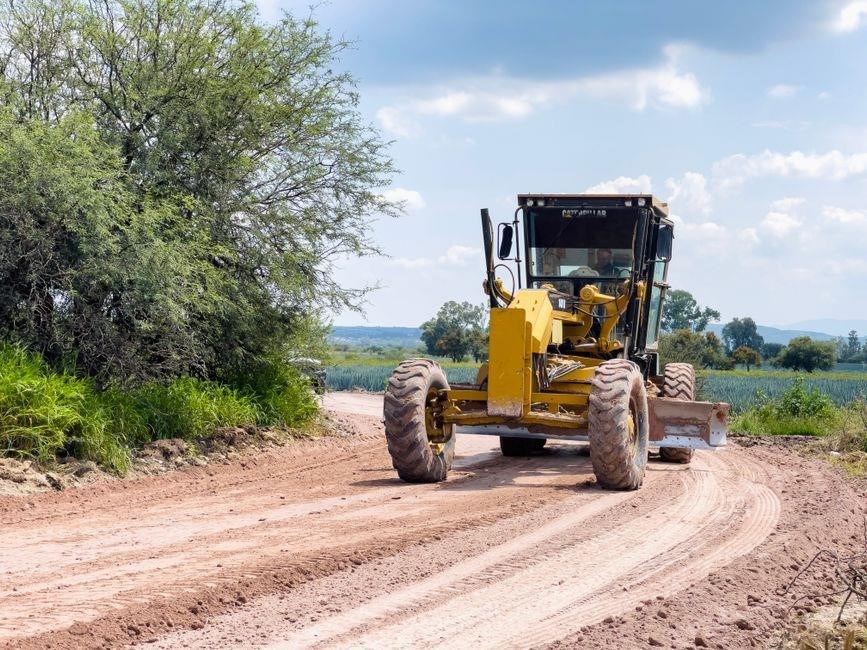
Eligible vehicles include school buses and certain commercial trucks that meet the 26,001‑33,000‑pound GVWR threshold․ The vehicle must be registered, insured, and equipped with seat belts, mirrors, and a functioning horn․ It must also pass a mechanical inspection and comply with federal safety standards․ The registration process also verifies that the vehicle meets all applicable Texas Department of Transportation (TxDOT) safety inspections and that the driver’s license is valid for the vehicle’s class․
Meeting these age, experience, and vehicle type criteria ensures that only qualified drivers operate exempt vehicles․ By adhering to the defined limits, Texas maintains road safety while granting necessary flexibility for commercial operations․ These criteria collectively uphold public safety while allowing businesses to operate efficiently within Texas’s commercial vehicle framework․

Application Process Overview
To obtain a Texas Class B Exempt license, submit Form DL‑7C online or in paper, attach a valid Texas driver’s license, proof of vehicle registration, and a recent medical certificate․ Pay the $30 fee, then schedule a knowledge test at a DMV office․ and submit proof․!
Submitting Forms and Required Documentation
Applicants must complete the DL‑7C application, available on the Texas Department of Public Safety website or in PDF form․ Attach a current Texas driver’s license, proof of vehicle registration, and a signed medical certificate if required․ The application can be submitted online via the DPS portal or mailed to the designated address․ For online submission, upload scanned copies of the supporting documents and pay the $30 processing fee with a credit card․ When mailing, include a self‑addressed stamped envelope, the application form, and photocopies of the license, registration, and medical certificate․ The DPS will verify the documents, issue a temporary receipt, and schedule the knowledge test․ Ensure all information is accurate and legible to avoid delays․ Keep a copy of every document for your records․ The process typically takes 3–5 business days for online processing and up to 2 weeks for mailed applications․ Once approved, you will receive a notification to schedule the knowledge test at a local DMV office․ Failure to provide the required documentation will result in application denial or a request for additional information․
Applicants should also verify that their vehicle meets the weight and safety standards set by the Texas Department of Motor Vehicles․ Any discrepancies may result in a denied application․ Keep all receipts and proof of payment, the DPS may request them review․ Completing process helps avoid delays ensures you can begin operating your Class B vehicle soon possible today․!
Knowledge Test Preparation Strategies
Use Examzify’s interactive quizzes, review the Texas Driver Handbook sections on commercial vehicle rules, and practice with flashcards from Quizlet․ Focus on weight limits school‑bus regulations and safety protocols Schedule the test after thorough review!!
Exam Topics and Recommended Study Materials
Prepare for the Texas Class B Exempt knowledge test by focusing on the core subject areas outlined in the Texas Driver Handbook, specifically chapters dealing with commercial vehicle operation, weight restrictions, and safety regulations․ The exam covers:
- Vehicle classification and permissible weight limits
- School‑bus and passenger‑transport rules
- Hazardous material handling (if applicable)
- Basic vehicle inspection and maintenance
- Emergency procedures and first‑aid basics
Use the following study aids:
- Examzify Practice Tests – interactive multiple‑choice quizzes with instant feedback and explanations․
- Quizlet Flashcards – customizable sets focused on Class B terminology and regulations․
- Texas Department of Public Safety PDF forms – review the official application and test guidelines․
- Video tutorials – short clips explaining complex concepts like weight distribution and load securement․
Review the Texas Department of Public Safety handbook sections on commercial vehicle operation, weight limits, and safety regulations before the test․ Study the FAQ list to be ready now for the test!!!! and check the vehicle’s safety gear!?
Arrive early, bring a valid ID, and review the inspection checklist to be ready now for the test!!!!
Skills (Driving) Test Essentials
Testers assess maneuverability, stopping, backing, and lane changes․ Bring a clean, insured vehicle․ Practice parallel parking, three‑point turns, and emergency stops․ Follow all posted signals, maintain proper speed, and demonstrate safe vehicle inspection․
Test Procedures and Common Vehicle Maneuvers
The skills test for a Texas Class B Exempt license evaluates a driver’s ability to safely operate a commercial vehicle․ Testers first conduct a pre‑test inspection, checking registration, insurance, seat belts, mirrors, brakes, and lights․ The examiner then guides the driver through maneuvers common to everyday commercial driving․
- Backing and Forward Parking: Reverse into a marked space, then park straight ahead, keeping a safe distance from other vehicles․
- Three‑Point Turn: Turn the vehicle around in a narrow lane, using mirrors and checking for oncoming traffic․
- Lane Change and Merge: Signal, check blind spots, and merge onto a highway or freeway without exceeding speed limits․
- Emergency Stop: Perform a controlled stop from a moderate speed, bringing the vehicle to a halt within the lane․
- Intersection Navigation: Navigate a four‑way stop and a traffic‑signalized intersection, obeying all signs and yielding appropriately․
Throughout the test, the examiner watches for compliance with Texas Department of Public Safety guidelines, including proper seat‑belt use, correct hand‑on‑wheel positioning, and adherence to speed limits․ The driver must also read and respond to traffic signs, maintain situational awareness, and conduct safe vehicle inspections before and after the test․ Successful completion of these maneuvers demonstrates readiness to operate a Class B Exempt vehicle on Texas roads․
The entire skills test typically lasts 20–30 minutes, depending on traffic and the examiner’s schedule․ Scoring is based on a point system evaluating accuracy, safety, and adherence to regulations․ A driver must achieve a minimum score, usually 75%, to pass․ If a maneuver is performed incorrectly, the examiner may allow a correction attempt, but repeated errors will result in a fail․
Preparation is key: practice each maneuver in a quiet parking lot, review the Texas Driver Handbook’s “Commercial Vehicle Operations” chapter, and familiarize yourself with the vehicle’s controls and dimensions․ Mastering these procedures helps applicants confidently navigate the test and secure their Class B Exempt license․
During the pre‑test inspection, the examiner checks tire pressure, horn, lights, and windshield wipers․ The driver must also verify that the vehicle’s weight and axle limits are within Class B Exempt specifications, ensuring compliance with Texas regulations․
Finally, drivers should remember that the test is not only about technical skill but also about demonstrating responsible driving habits․ Maintaining a calm demeanor, following all traffic laws, and showing respect for other road users are essential components of a successful test․

Utilizing Online Practice Tests

Use Examzify’s interactive quizzes and other sites to simulate the real test․ They offer hints, explanations, and timed practice․ Review answers, track progress, and focus on weak areas․ Consistent practice boosts confidence and improves score․ Practice daily multiple-choice drills, review handbook sections, and simulate test timing to build confidence!!

Interactive Resources from Examzify and Other Platforms
Examzify offers a comprehensive suite of practice questions that mirror the official Texas Class B Exempt knowledge test․ Each question includes multiple-choice options, immediate feedback, and explanations that reference the Texas Driver Handbook․ The platform tracks your progress, highlights recurring mistakes, and suggests targeted study modules․ In addition to Examzify, several reputable sites provide free flashcards, video tutorials, and downloadable PDF study guides․ The Texas Department of Public Safety’s website hosts an official practice test with a realistic time limit, allowing you to gauge readiness under exam conditions․ Mobile apps from third‑party developers enable on‑the‑go review, while community forums allow you to discuss tricky scenarios with fellow test‑takers․ By integrating these resources, you can create a balanced study plan that covers all exam topics, reinforces retention, and boosts confidence before the actual test․
Moreover, many practice sessions are timed, helping you manage the 60‑minute limit of the actual test․ Review the Texas Driver Handbook’s Chapter 4 on commercial vehicle operations, and use the handbook’s sample questions to reinforce key concepts․ Finally, schedule your test after you feel consistently scoring 80 % or higher on practice exams, as this threshold correlates with passing the real exam․

Practice and you master nuances that differentiate commercial from operation

Fees, Renewal, and Maintenance of Class B Exempt License
Fees: $25 for initial Class B Exempt license, $15 every five years for renewal․ Renewal requires a valid driver’s license, proof of insurance, and payment․ Now․
Cost Breakdown and Renewal Timeline
Obtaining a Texas Class B Exempt license involves a clear fee structure and a predictable renewal schedule․ The initial application fee is $25, payable when you submit the DL‑7C form and the required documents․ This fee covers the administrative processing of the license and the issuance of the physical card․ The renewal fee drops to $15 after five years․
Renewal is required every five years, and the Texas Department of Public Safety (DPS) will send a reminder notice approximately 30 days before the expiration date․ You can renew online, by mail, or in person at a DPS office․ The renewal process requires you to provide a valid driver’s license, proof of current insurance, and a clean driving record․
In addition to the base fees, applicants may incur extra costs for optional services such as expedited processing, which can cost an additional $10 and deliver the card within 48 hours․ If you need a replacement card due to loss or damage, the fee is $15․ All fees are payable by credit card, debit card, or electronic check․ It is advisable to keep a copy of the receipt and the renewal confirmation email for your records․ The payment can be made via the DPS online portal, which accepts major credit cards and offers instant confirmation․ You may also pay a small fee for expedited delivery if you need the card quickly and it will arrive soon․
To avoid late fees or lapses in coverage, set a calendar reminder for the renewal deadline․ The DPS also offers a “Renewal Reminder” service that sends an email or text message a week before the license expires․ By staying proactive, you can maintain continuous eligibility to operate Class B Exempt vehicles without interruption․ Remember to verify your renewal status on the DPS website to ensure compliance with all state regulations․ Additionally, you can check your renewal status online for peace of mind․ And stay compliant??!